What Boba Actually Is
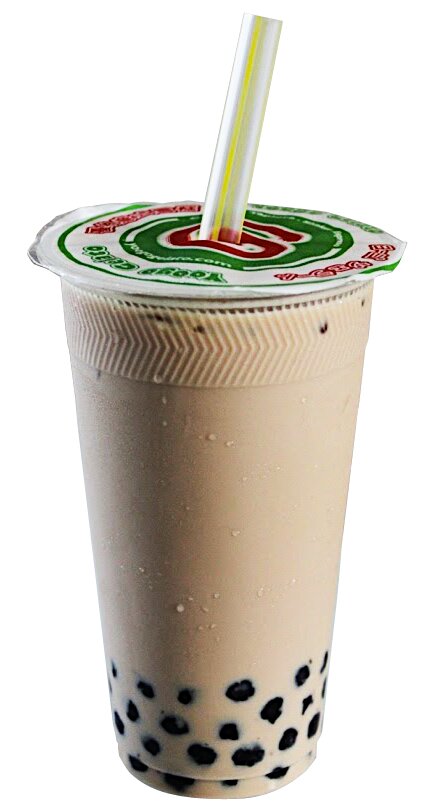
Bubble tea — often called boba after the chewy tapioca pearls at the bottom of the cup — started in Taiwan in the 1980s and has since become one of the most popular drinks in the world. At its core, it's simple: tea, milk or fruit flavoring, and a texture element like tapioca pearls, all shaken together over ice. But within that simple framework sits an enormous amount of variation, and understanding the parts helps you order with confidence instead of guessing from an intimidating menu board.
The Anatomy of a Cup
Every bubble tea has three basic parts. The base is usually black, green, or oolong tea, brewed strong enough to hold its flavor once milk and ice are added. The flavor comes from milk, fruit purees, or flavored syrups — think taro, brown sugar, or passion fruit, each bringing a completely different character to the same base. And the texture comes from add-ins: classic tapioca pearls with their chewy, slightly sweet bite, popping boba that burst with juice on contact, or soft jelly cubes that add a cooler, cleaner texture.
Why the Straw Is So Wide
Bubble tea uses an oversized straw for one practical reason: the tapioca pearls need room to pass through. It's a small design detail that tells you the drink was built around the toppings from the start, not just the liquid — the pearls aren't a garnish, they're a core part of the drinking experience.
Milk Tea vs. Fruit Tea
Milk teas are creamier and more dessert-like — think Thai milk tea or a brown sugar boba milk, where the tea, dairy, and sweetener are meant to feel indulgent together. Fruit teas are lighter and more refreshing, often built on green or oolong tea with real fruit purees, better suited to a hot day than a rich meal. Neither is objectively better; they're built for different moods entirely.
How the Pearls Are Actually Made
Traditional tapioca pearls are made from cassava starch, boiled until translucent, then simmered in a brown sugar syrup that gives them their signature dark color and caramel-like sweetness. Fresh pearls have a limited window — typically just a few hours — before they firm up and lose their ideal chew, which is why the best boba shops make batches throughout the day rather than one large batch each morning.
How to Order
Most shops let you choose your sweetness level and ice level — don't be afraid to ask for 50% sweetness if you're not used to it, since many recipes default to quite sweet. If it's your first time, a classic milk tea or a fruit green tea with popping boba are both safe, satisfying starting points that showcase what the format does well without overwhelming you.
Try It at Gastro Bar and Restaurant
Boba Haven serves both classic milk teas and fruit teas, plus specialty drinks like brown sugar boba and Hokkaido caramel milk tea, all made fresh to order. See the full boba menu or order online.