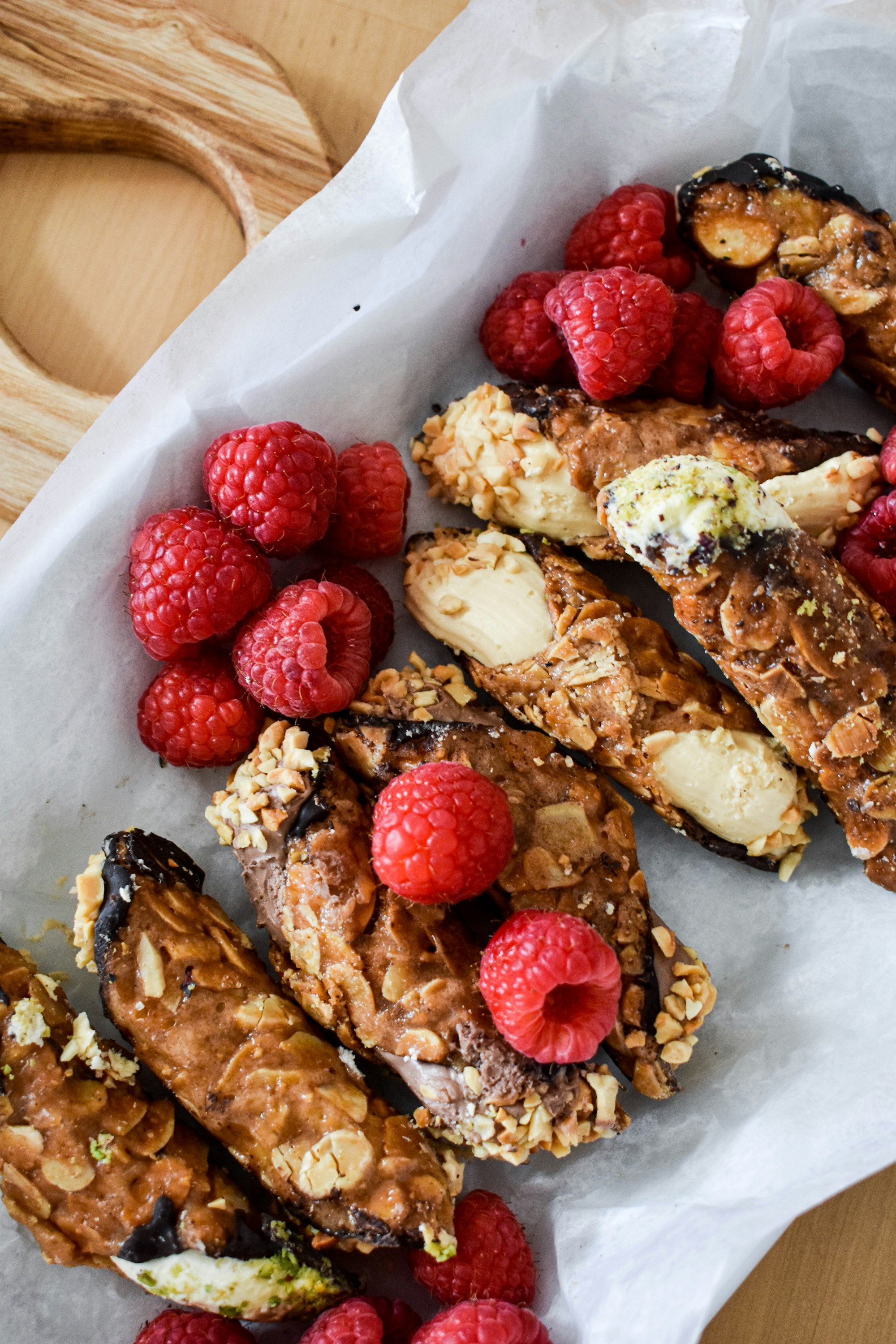
A Sicilian Pastry Built Around a Tube
Cannoli originated in Sicily, with roots that food historians trace back to Arab influence on the island during medieval rule, particularly the introduction of sugar and ricotta-based desserts to the region. The name translates roughly to "little tubes," a literal description of how the pastry shell is formed — wrapped and fried around a small metal cylinder, then filled only once the shell has cooled completely.
Why the Shell Has to Fry Empty
Unlike a filled doughnut or pastry that's baked or fried around its filling, a cannoli shell is always fried on its own, wrapped around a bare metal tube with no ricotta anywhere near the hot oil. This isn't a stylistic choice — ricotta filling would turn watery and separate under frying heat, and the shell itself needs to be completely dry and crisp to survive contact with a wet filling afterward. The two components exist on entirely separate timelines until the moment of assembly.
Ricotta, Drained Properly
Ricotta is a naturally wet, fresh cheese, and using it straight from the container in a cannoli filling would produce a runny, weeping mess that soaks straight through the shell. Properly made cannoli filling starts with ricotta drained for hours, sometimes overnight, through cheesecloth to remove excess whey before it's ever sweetened or flavored. Skipping this step is the most common reason a homemade cannoli filling turns out loose and soupy rather than thick and pipeable.
The Fill-to-Order Rule
Cannoli shells are famously crisp, and that crispness has a short lifespan once they come into contact with a moist filling — the shell begins absorbing moisture from the ricotta almost immediately, softening within an hour or two. Because of this, cannoli are traditionally filled as close to serving as possible, never assembled far in advance. A pre-filled cannoli sitting in a display case for hours is working against the pastry's own chemistry.
Regional Variations
Sicilian cannoli filling traditionally includes small additions like chocolate chips, candied citrus peel, or pistachios folded directly into the ricotta, while some regional versions swap in mascarpone for part of the ricotta to add extra richness. The shell itself sometimes includes a small amount of Marsala wine or cocoa in the dough, adding a subtle depth that plain flour-and-water pastry wouldn't develop on its own.
What to Look For
A properly made cannoli should have an audibly crisp shell that shatters slightly on the first bite, not one that's gone soft or chewy. The filling should hold its shape when piped, thick enough to stay put rather than oozing out the ends, and it should taste like ricotta first — sweet and creamy, but not so sugary that the cheese's own flavor disappears.
Try It at Gastro Bar and Restaurant
The Italian kitchen drains its own ricotta and fills cannoli shells to order, never in advance. See the Italian menu or order online.