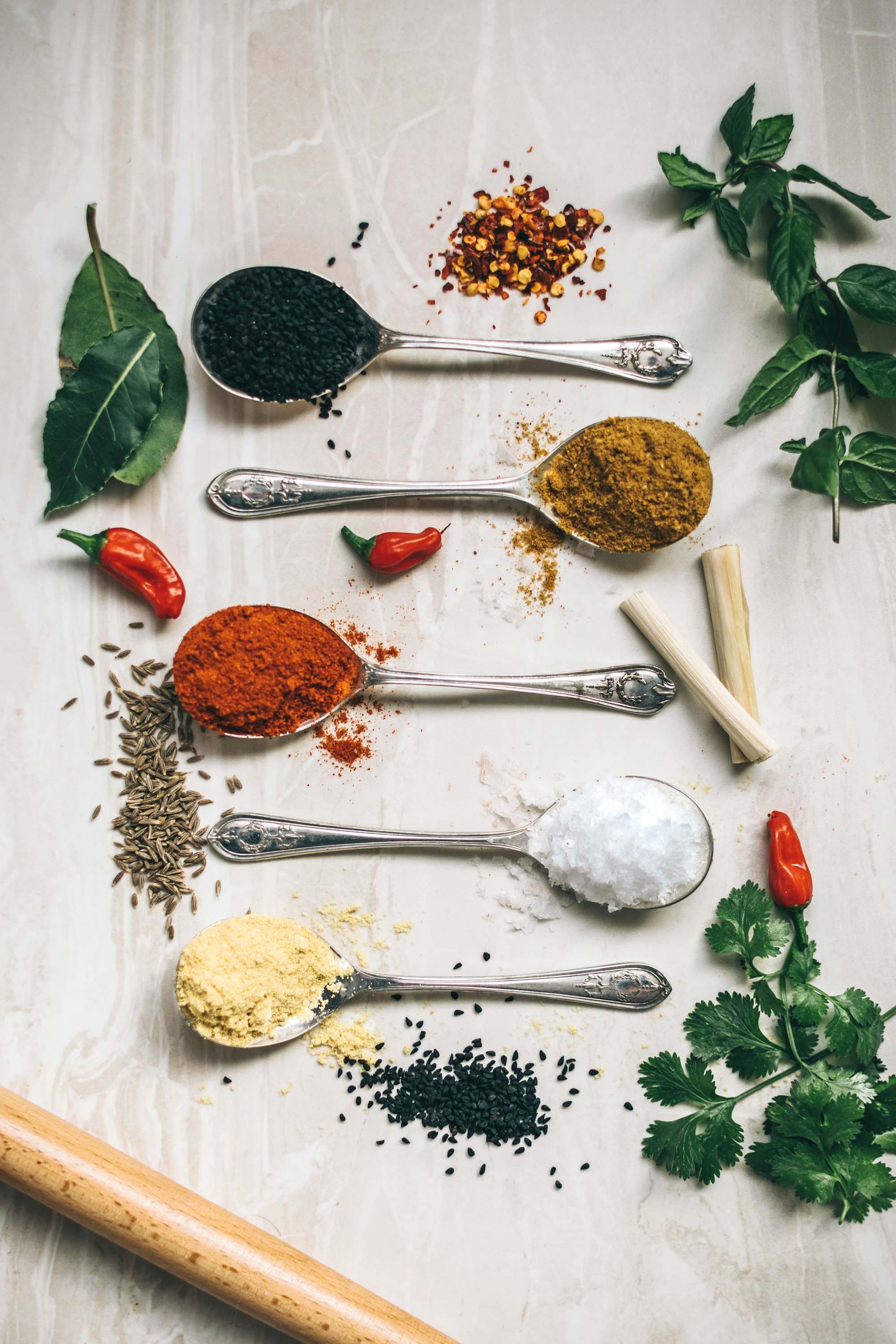
A Blend, Not a Single Spice
People new to Indian cooking sometimes assume garam masala is a single ingredient, the way paprika or cumin is. It isn't — it's a category of spice blend, and no two kitchens make it exactly the same way. "Garam" translates to "warm," referring to the blend's effect on the body in traditional Ayurvedic thinking, not to spiciness in the capsaicin sense. A garam masala can be entirely free of chile heat and still be called garam masala correctly.
What's Actually In It
Most versions build on a core of cinnamon, cardamom, cloves, cumin, coriander, and black pepper, toasted and ground together, sometimes with bay leaf, nutmeg, or mace added depending on the region and the cook. The goal isn't heat — it's aromatic complexity, layering warm, sweet, and slightly floral notes on top of a dish's base flavors. That's a fundamentally different job than a chile powder or a curry powder, which are built more around color and straightforward spiciness.
Why It Goes In Last
Garam masala is almost always added toward the end of cooking, often in the final few minutes, rather than at the start alongside onions and garlic. Its aromatic compounds are volatile and break down under long, high heat — cooked too early, the blend loses much of its fragrance by the time the dish is finished. Adding it late preserves those top notes, which is why a dish can smell noticeably more complex the moment garam masala hits the pan, even in small quantities.
Regional Versions Aren't Interchangeable
Punjabi garam masala tends to lean heavily on cinnamon and cardamom, giving it a warmer, sweeter profile suited to rich, creamy gravies like butter chicken. Versions from further south or east might include fennel, star anise, or dried chiles, shifting the blend toward something sharper or more savory. Swapping one regional blend for another in a recipe built around a specific version changes the dish's entire character, even if the ingredient list looks similar on paper.
Whole vs. Ground, and Why It Matters
Whole spices, toasted in a dry pan and ground just before use, retain far more of their essential oils — and therefore flavor — than pre-ground garam masala that's been sitting in a jar for months. Ground spices lose potency to oxidation and light exposure over time, which is why kitchens that grind their own blend in small batches tend to produce noticeably more fragrant food than ones relying on a large pre-mixed tin.
How to Taste It Done Right
A well-used garam masala should be felt as an aromatic lift at the finish of a bite — warmth and fragrance rounding out the dish — rather than as a dominant, single-note spice hit. If a curry tastes flat and one-dimensional despite plenty of chile and salt, it's often a sign the garam masala was added too early, or that the blend itself has gone stale.
Try It at Gastro Bar and Restaurant
The North Indian kitchen grinds its own garam masala in small batches and finishes dishes with it at the very end. See the North Indian menu or order online.